Documentary movies
Fascinating real-life stories, historical accounts, and educational deep dives that reveal the truth about our world.
Subgenres include: True Crime Documentary, Biographical Documentary, Social & Political Documentary.
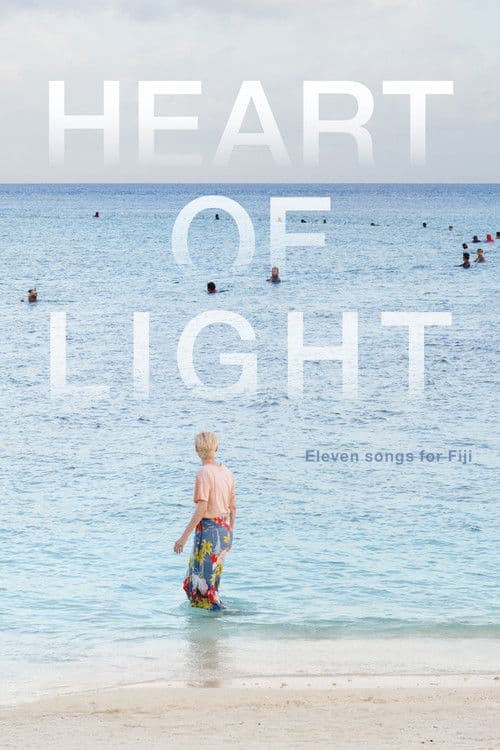
After decades abroad, Iona returns to her childhood home on Fiji, sensing that there she might find the answers to many questions she has about civilisation and its discontent.

What are you gonna do when the world’s on fire? Sit by the pool with a glass of Aperol Spritz and take a selfie for your friends back home? In this satirical take on tourism during the ecological crisis, Viera Čákanyová asks how costly the Ostrich Effect we all seem to suffer from really is? The film features realistic comments from holidaymakers, glossy travel agency advertisements and some dinosaurs, just passing by.

Thana Faroq returns to Yemen after a decade of geographical and emotional separation. Oscillating between personal drawings, intimate voice recordings and footage from the streets of Yemen, her thoughts about home take on new forms.
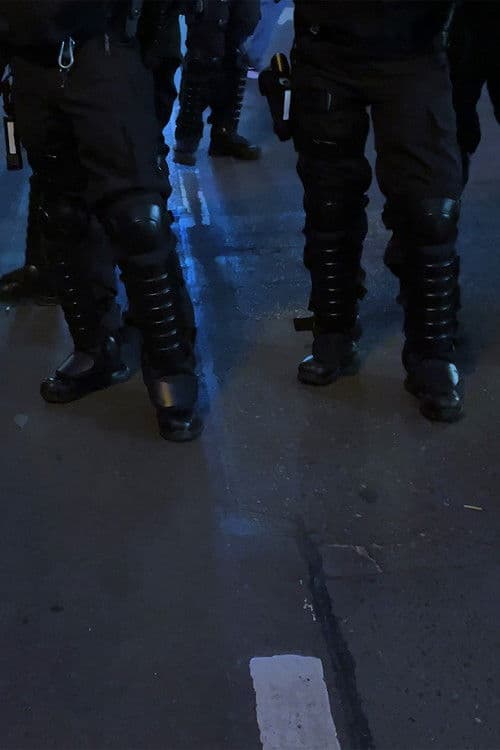
At a demonstration in Berlin against the genocide in Gaza and the German arms supplies contributing to it, protestors are violently arrested, wrestled to the ground, sprayed with pepper spray and captured on camera. This essay pauses those overwhelming moments and isolates what is happening in order to examine it. Drawing from Fanon and Butler, among others, it offers a pointed interrogation of double standards, the state’s monopoly on violence and protesting under constant surveillance.
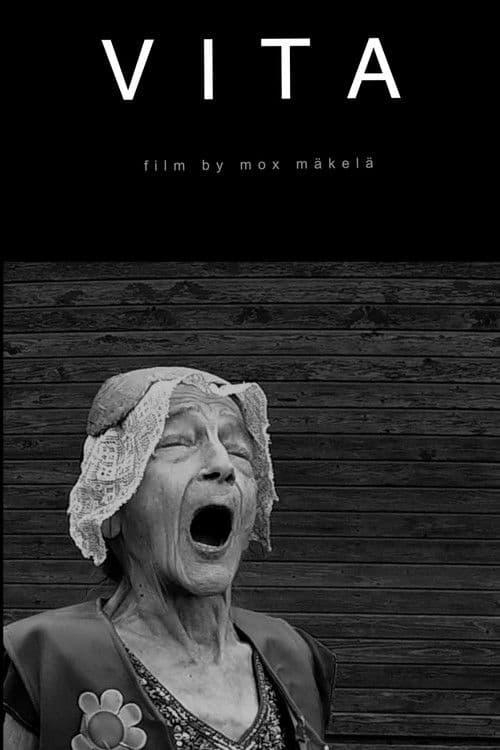
In the new cryptic triptych by ever-mysterious Mox Mäkelä, trains travel across the borders of time, armies gather in a place where history repeats itself, while Karelian women sing about how humans will destroy the world.

A day inside the charming hair salon of Veronique Gizard, on the corner of Rue de Bagnolet and Rue Planchat in Paris’s 20th arrondissement. Owner, stylist and client shyly gaze into the lens of legendary Viennese filmmaker and photographer Friedl vom Groller. The salon’s distinctive character lives on in 16mm – it closed its doors in mid-2025 after 20 years, and the shopfront now houses a cafe.
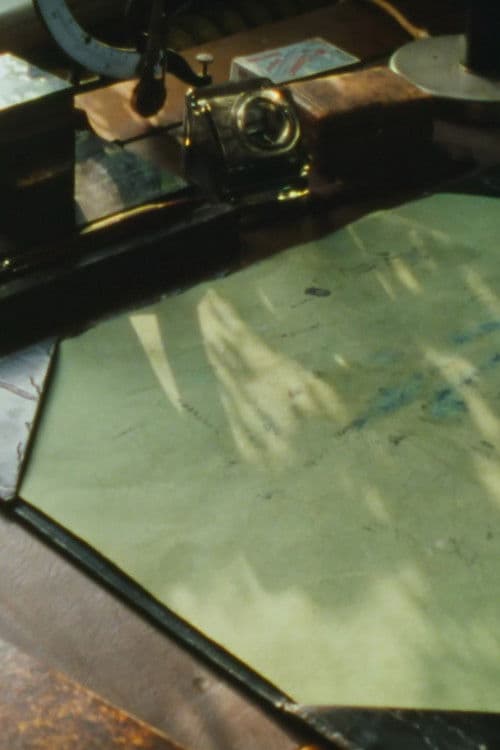
In his latest film Rum, Söderquist revisits footage from the shooting of Letters From Silence, placing them in dialog with recently shot footage. Deploying split-screen for the first time, Söderquist’s camera slowly and meticulously travels through sparse interior spaces and passages, evoking both a sense of enclosure and departure.
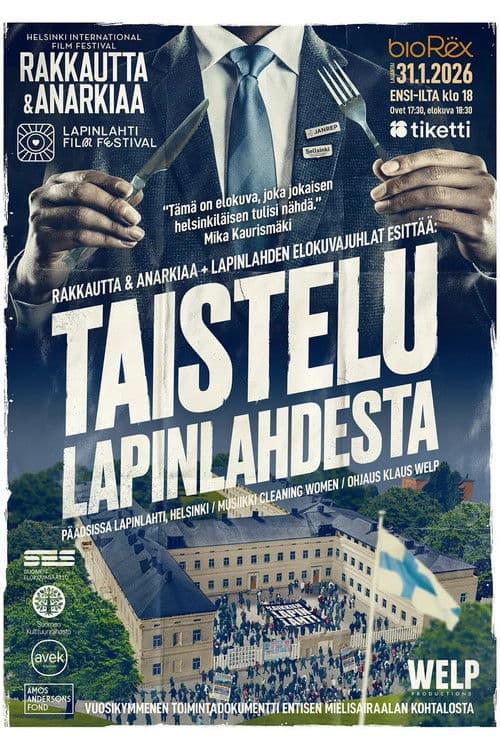
The documentary follows how a former psychiatric hospital that had been abandoned is transformed into a thriving center for art, culture, and mental well-being with the arrival of new tenants. With limited resources, activists in Lapinlahti decide to continue the area's mental health work in a citizen-driven way, allowing the disadvantaged members of society to shine. The place fills up with entrepreneurs, therapists, artists, and associations, and the park area in the city center, closed to Helsinki residents for 170 years, comes to life with cafes, saunas, museums, and bakeries. The road is not easy. The city administration does not seem to recognize the value of the project, and the Lapinlahti community has to fight constantly for its existence. At the heart of the film is the threat of the area being sold to a large real estate investor, as plans are made to build a giant hotel in the park.
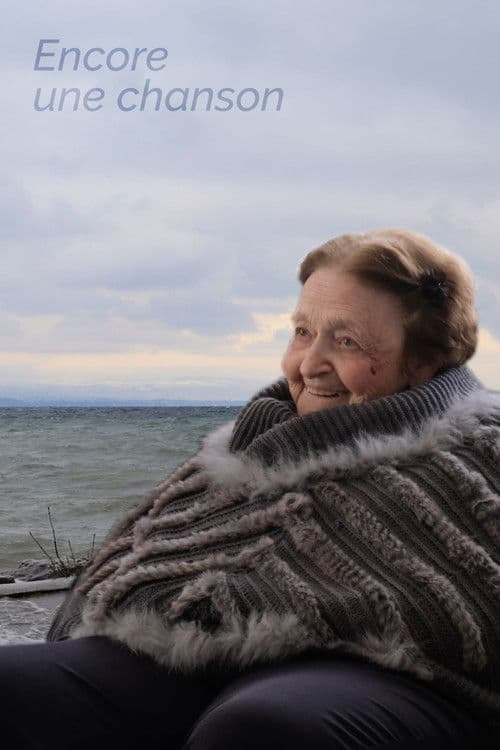
Ketty is growing old. Between the calm of everyday life and the intensity of the moments spent with her grandchildren, she moves between the forces of life and death, between laughter and sighs. Where memories of the past fade away and the future is uncertain, only the present moment matters.
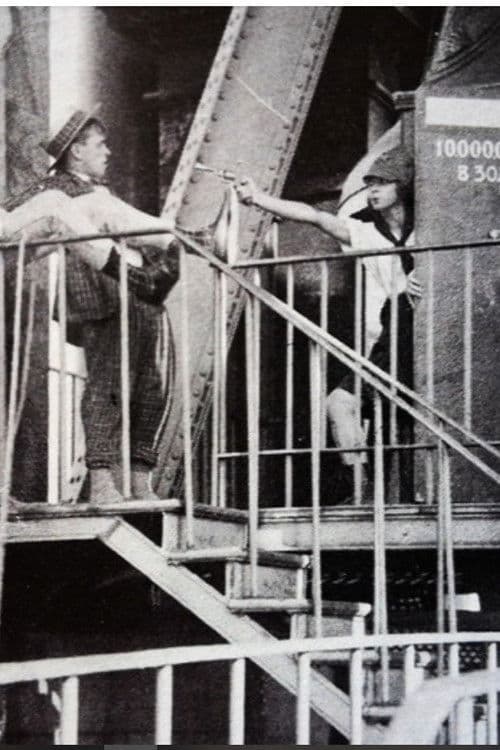
This film essay is inspired by Leonid Trauberg's eponymous autobiographical text. It also sheds light on his public condemnation in 1949 as a leader of the "cosmopolitans," accused of "only causing harm to Soviet cinema," as well as his enthusiasm for silent slapstick comedies, the novels of P.G. Wodehouse and G.K. Chesterton, and his fascination with the lost FEKS film, The Adventures of Octobrine.